



Introduction
Life becomes richer when people step beyond familiar routines and explore new experiences. Adventure provides opportunities to challenge oneself, learn about the world, and discover hidden strengths. By embracing uncertainty and seeking out novel experiences, individuals can gain insights into their abilities, preferences, and values. Adventure is more than a leisure activity; it is a tool for personal growth and self understanding.
Expanding Horizons
Engaging in adventurous activities exposes people to new environments, cultures, and perspectives. Traveling to unfamiliar locations, trying different sports, or participating in outdoor challenges encourages adaptability. Experiencing diversity helps broaden understanding and appreciation of the world. These moments create memories that last a lifetime and inspire curiosity to continue exploring beyond comfort zones.
Building Confidence and Resilience
Adventure often involves facing challenges that test patience, problem solving, and physical endurance. Overcoming these obstacles helps build confidence in one’s abilities. Each successful experience reinforces the belief that difficult situations can be managed. Facing uncertainty also develops resilience, equipping individuals to handle future challenges in everyday life with greater composure and determination.
Fostering Creativity and Inspiration
New experiences stimulate imagination and innovative thinking. Being in a different setting, observing unique landscapes, or interacting with new people can spark fresh ideas. Adventure encourages experimentation and open mindedness, which can enhance creative problem solving. The sense of novelty energizes the mind and helps individuals approach both personal and professional tasks with renewed enthusiasm and perspective.
Strengthening Relationships
Sharing adventurous experiences strengthens bonds with friends, family, and peers. Collaborative challenges and shared achievements create lasting connections and trust. Experiencing highs and lows together fosters understanding and communication. Adventure encourages teamwork and mutual support, highlighting the importance of connection and shared experiences in human relationships.
Promoting Physical and Mental Wellbeing
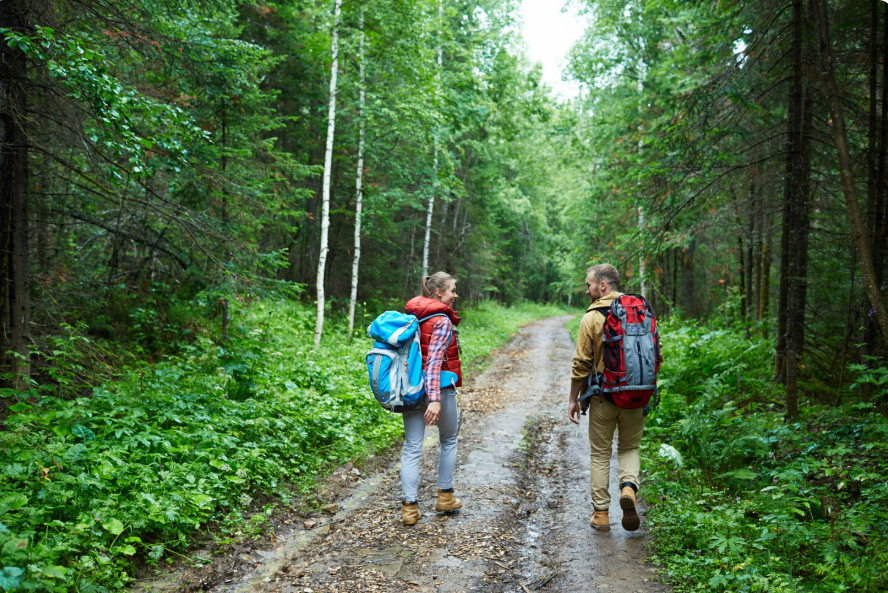
Many forms of adventure involve physical activity, which contributes to overall health. Hiking, climbing, cycling, or water sports improve fitness and increase energy levels. Exposure to nature and engaging in challenging activities can also reduce stress and enhance mental clarity. Adventure provides a break from routine pressures and offers space for reflection, mindfulness, and rejuvenation.
Encouraging Self Discovery
Adventure is a mirror that reflects personal strengths, weaknesses, and preferences. Stepping into unfamiliar situations allows individuals to assess their reactions, values, and priorities. Each journey or activity offers lessons about patience, decision making, and adaptability. These insights guide choices in everyday life and contribute to personal development. Self discovery through adventure helps individuals make more informed decisions and align actions with long term goals.
Lifelong Learning and Growth
Adventure encourages curiosity and continuous learning. Each experience, whether successful or challenging, provides new knowledge and skills. Embracing adventurous opportunities develops a mindset that values exploration, reflection, and growth. This approach nurtures an attitude of lifelong learning and encourages individuals to seek opportunities that broaden their understanding of the world and themselves.
Conclusion
Adventure is an essential component of personal discovery, offering opportunities to expand horizons, build resilience, and gain fresh perspectives. Through engaging with new experiences, individuals grow in confidence, creativity, and self awareness. Adventure fosters meaningful connections, supports physical and mental wellbeing, and inspires lifelong learning. By embracing the spirit of exploration, people can enrich their lives and uncover the full potential within themselves.